Everything we know
Everything We Know About Appofeniacs - 2026
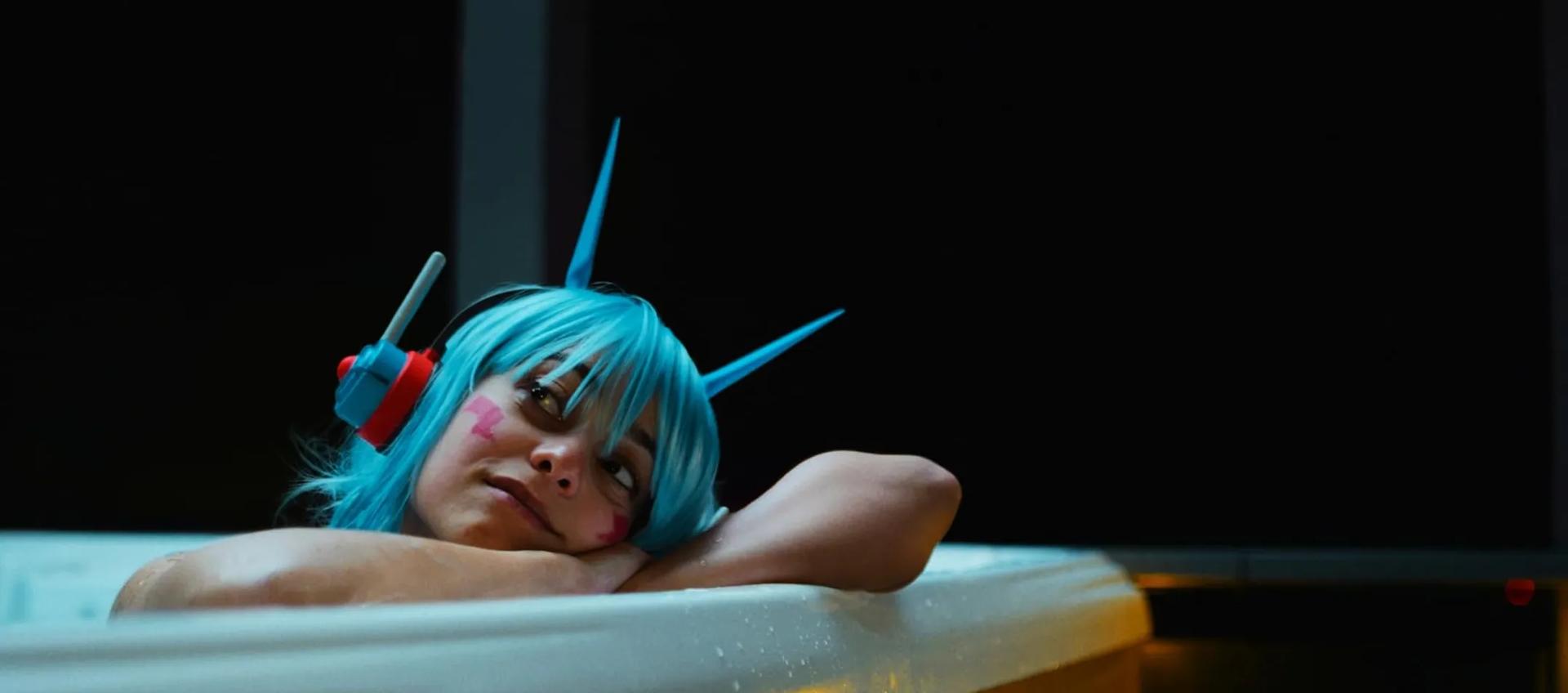
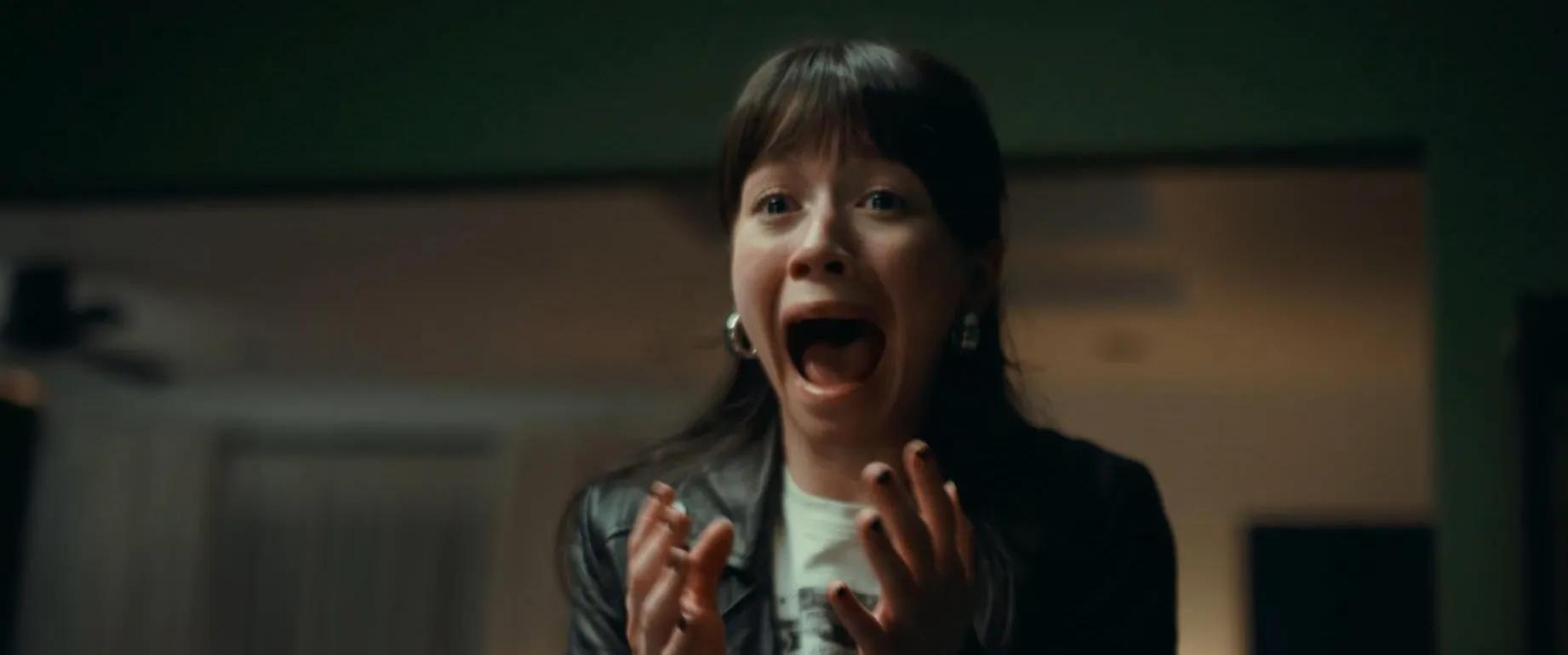
Appofeniacs (2026) turns one of today’s most unsettling technological fears into a violent horror thriller about deepfakes, misinformation, and how quickly people can be manipulated when seeing is no longer believing. Written and directed by Chris Marrs Piliero, the film follows Duke, played by Aaron Holliday, a reckless young man who treats AI deepfakes like a harmless party trick. With only a few taps, he can fabricate convincing videos, damage reputations, provoke jealousy, and create conflicts that never happened. But the consequences soon become deadly. Rather than following one victim, Appofeniacs uses intersecting storylines to show how Duke’s creations spread chaos. Poppy, played by Simran Jehani, heads into the desert for a dangerous weekend; Sean Gunn appears as Clinto Binto, an eccentric figure with a reputation to protect; and Paige Searcy plays Lazzy, whose day takes a disastrous turn. As an AI horror movie and deepfake thriller among the new horror movies of 2026, Appofeniacs feels disturbingly close to reality.

What makes Appofeniacs interesting is that its monster is not supernatural. The real threat is ordinary people armed with technology capable of manufacturing believable evidence. Piliero, a music-video director making his feature debut, builds the film around paranoia, confirmation bias, and our instinct to trust images that support what we already believe. The title itself plays on “apophenia,” the tendency to perceive meaningful connections between unrelated things, while adding an “app” twist that reflects the story’s digital obsession. The ensemble also includes Jermaine Fowler as Cedrick, Michael Abbott Jr. as Banks, Will Brandt as Texas Tim, and Harley Bronwyn as Evie. Producers include Piliero, Andrew Panay, and Jared Iacino, with Sean Gunn among the executive producers. Early festival reactions describe the movie as a bloody mixture of psychological horror, dark satire, crime thriller, and black comedy, with an energetic, interconnected structure. The technology may be modern, but its most frightening idea is timeless: people become dangerous when they are certain they know the truth.

Appofeniacs built buzz before its 2026 theatrical release. The film had its North American premiere at Fantastic Fest in Austin in September 2025, where critics highlighted its graphic violence, absurd humor, gore, and timely commentary on artificial intelligence. Reviews have differed on how effectively the stories come together, but there has been focused attention around the bloody escalation and the unsettling plausibility of its central concept. The promotional campaign reinforces that approach. Instead of presenting AI as futuristic science fiction, Appofeniacs shows deepfake tools as accessible technology that can ruin someone’s life from a smartphone. Duke does not need a secret laboratory or advanced supercomputer; he only needs convincing software and victims willing to believe what appears on their screens. That makes the film relevant in an era of viral clips, manipulated media, online outrage, and instant judgment. Its R rating also confirms that Piliero is not treating the premise gently: the classification cites strong bloody violence, grisly images, suicide, sexual content, pervasive language, and some drug use. Viewers should expect aggressive techno-horror rather than restrained suspense.
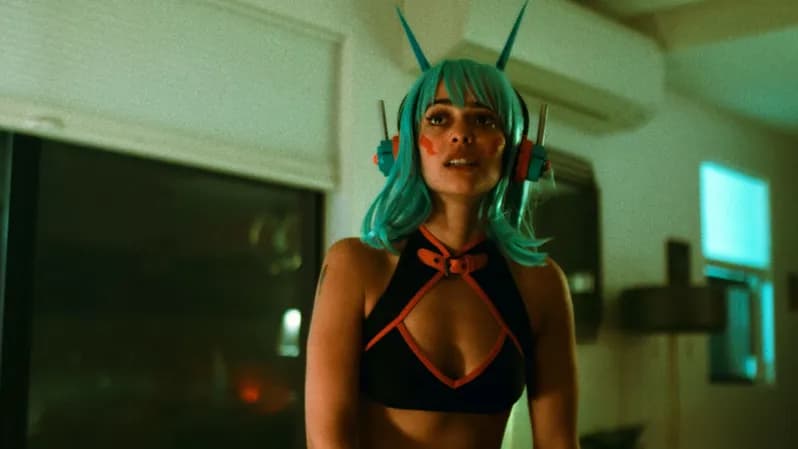
Appofeniacs opened in limited U.S. theaters on October 2, 2026, distributed by Magenta Light Studios, with a runtime of about 89 minutes. No streaming date has been confirmed, making theaters the main way to see it after its festival run and placing the movie squarely inside the Halloween season. With its October 2026 release, cast, trailer, AI horror themes, and deepfake-thriller premise, Appofeniacs taps directly into a growing technology debate. Its biggest selling point is simple: unlike many stories about artificial intelligence, Appofeniacs does not ask what happens when machines become conscious. It asks what happens when humans gain tools powerful enough to manufacture reality and then use them irresponsibly. If its combination of satire, gore, paranoia, and interconnected chaos connects with horror audiences, Appofeniacs could become one of 2026’s most conversation-starting genre releases. The scary part is not that the videos are fake. It is how quickly real people may decide to act on them.